










GTHD
A musical brief can help designers and operators make deliberate decisions about the atmosphere of a hotel. Dirk Persch Founder & Creative Director at PERSANO, considers how to develop that brief, test it across guest spaces and carry it into daily operation…

Music deserves a place in the hotel concept brief. Before choosing tracks or commissioning a composition, the team should decide what sound needs to contribute to each space. A reception desk, a destination restaurant and a quiet lounge may share an address, but they ask different things of the guest. Those differences should shape the musical direction from the outset.
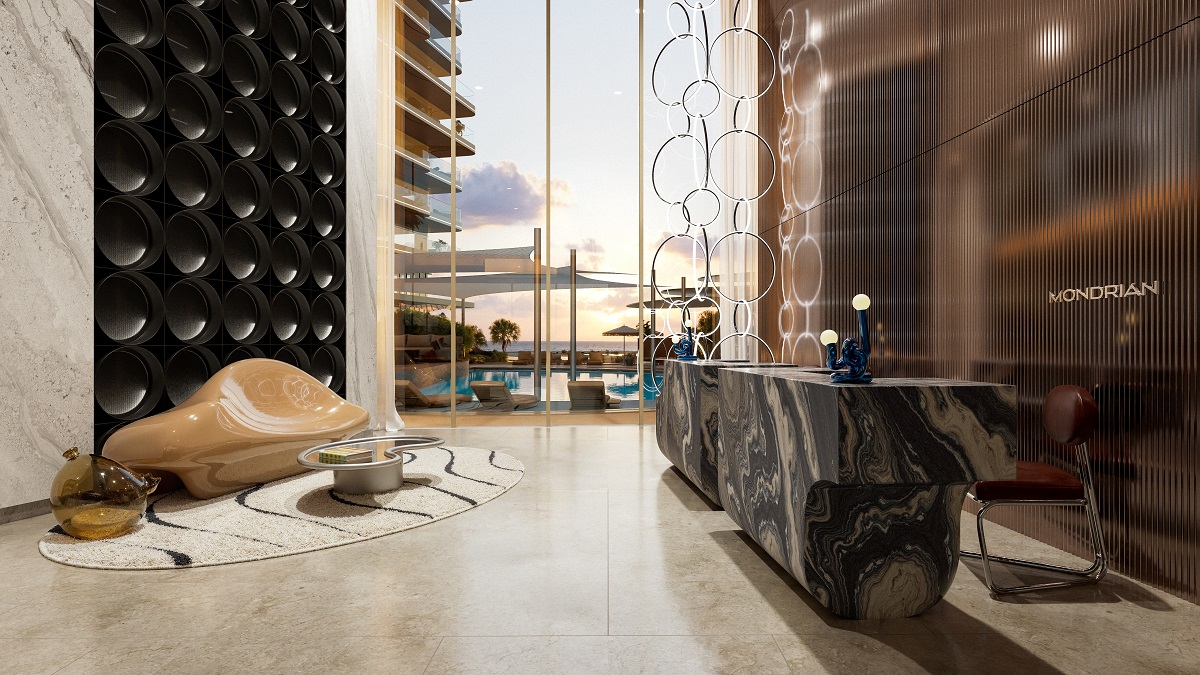
Mondrian Al Marjan Island Beach Residences | Image credit: Bergman Design House / Moma
Start with the purpose of each space
I approach sonic identity as a set of creative choices that give music a relationship with a brand: its pace, instrumentation, texture and use of recurring musical ideas. The first discussion should connect those choices to the intended experience. What should arrival feel like? Where does the hotel invite conversation? Where should guests be able to withdraw? A useful brief gives specific answers instead of relying on a description such as ‘luxury music’.
Consider a hypothetical coastal resort. Its reception brief might ask for an unhurried arrival, enough space for a conversation with the host and a gradual transition towards the lounge. That is already more useful to a composer than a list of favourite artists. It describes the work the music must do and gives the team something concrete to review.
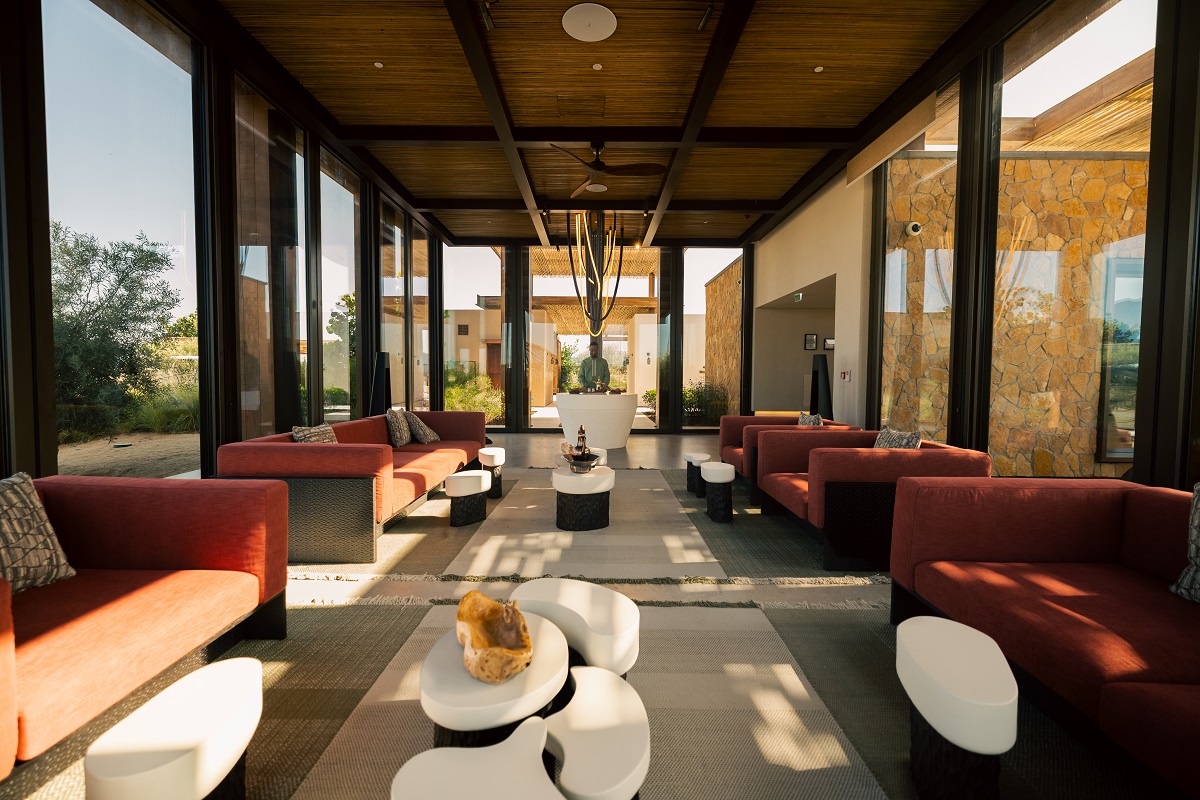
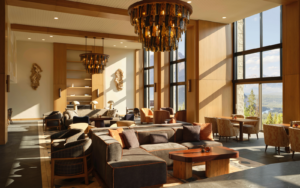
Image credit: Six Senses AMAALA
Translate character into musical decisions
Brand language needs interpretation. If the design team describes a property as intimate, the musical discussion might explore a small ensemble, sparse arrangements and passages that leave room between phrases. A more social evening space might call for a stronger pulse. These are creative starting points to audition, not universal formulas for how guests will feel.
Ask the team to explain its preferences in terms of the brief. ‘The melody draws too much attention at reception’ is actionable feedback. ‘It does not feel expensive enough’ needs another conversation. Short musical sketches can make that discussion more precise before anyone commits to a full production.
-
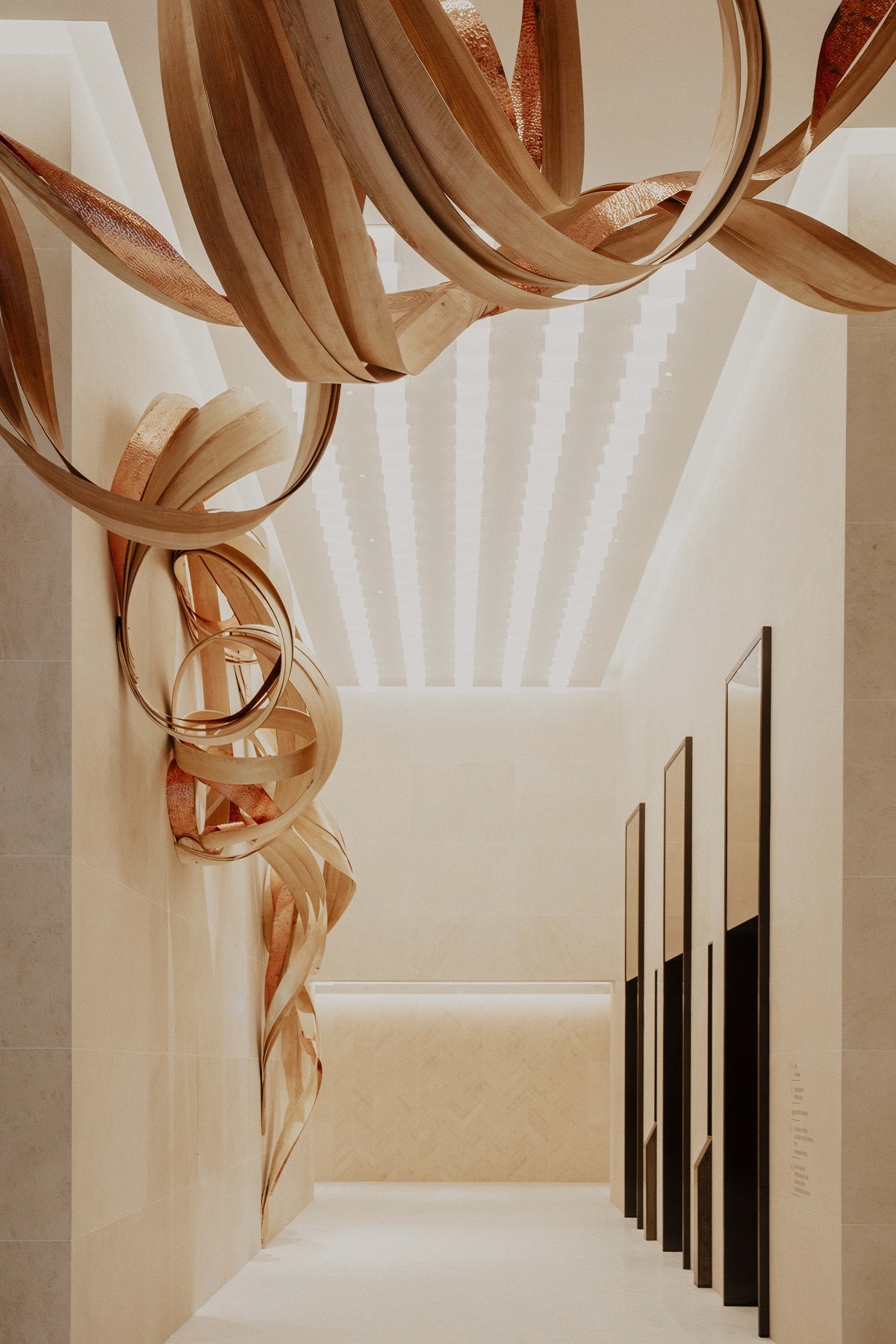
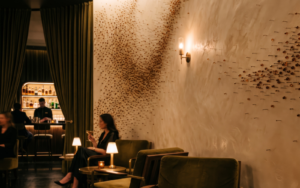
- Image credit: Park Hyatt London River Thames
-
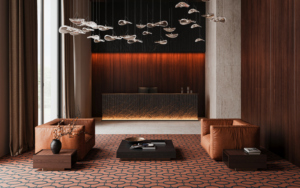
- Image credit: Hyatt
Design the transitions
A guest experiences the route between spaces as well as each destination. Map that route and consider what happens at the boundaries. Does a lively restaurant open onto a calm lobby? Can guests hear competing music while waiting for a lift? Where would a quieter interval make sense? Bring these questions to the designers, operator and audio specialists together.
A shared musical identity can allow variation. A signature phrase might return in a different arrangement, or related textures might connect spaces without repeating the same track throughout the property. The aim is a family resemblance that respects what guests are doing in each location. Review both the individual pieces and the sequence in which they may be heard.
Include private spaces in that discussion. For a suite or branded residence, my starting recommendation is guest choice: make any music easy to control and easy to stop. The brief should explicitly identify places where silence is the preferred experience. A coherent identity does not require music to be present everywhere.
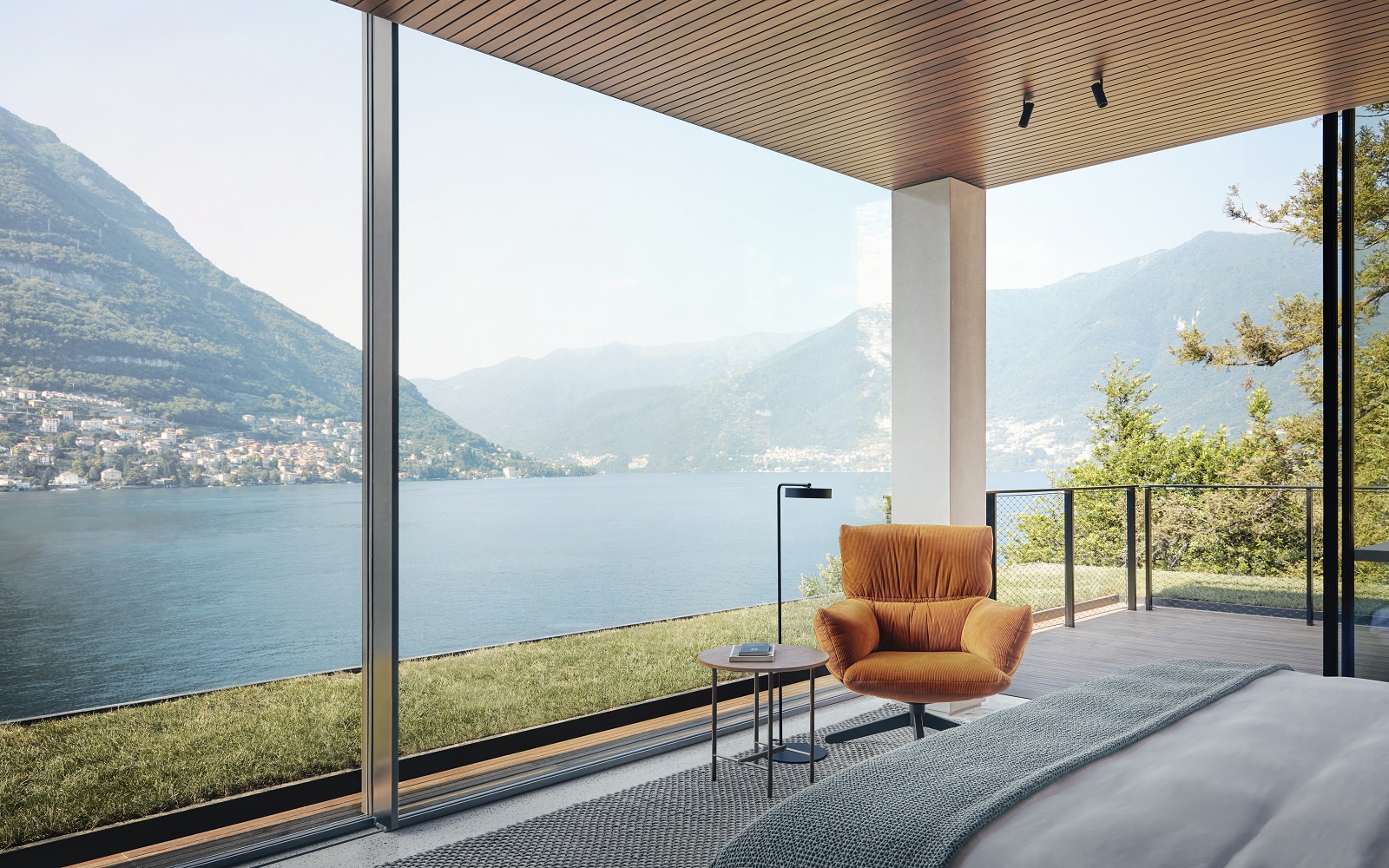
Image credit: Il Sereno Lake Como
Listen in the room
Approve the musical idea separately from its behaviour in a space. A promising composition heard on headphones still needs to be assessed through the intended playback system. Invite the acoustic and audio specialists to address room behaviour, coverage and technical requirements; the composer and operator should assess whether the musical character supports the service experience.
Use practical listening sessions. Stand where a guest checks in, sit where people will talk and walk the transition to the next area. Ask a member of the team to deliver a welcome or explain a menu. Listen again when the space is in use. Record the location and conditions with each comment so that feedback can be traced to a situation rather than a general preference.
Also listen for longer than a short presentation allows. A distinctive moment may be attractive on first hearing but too insistent when repeated during an extended stay in the lounge. Review complete sequences, the joins between pieces and the return to the beginning. Staff who spend a full shift in the space should have a voice in that assessment.
Give the team a usable handover
Before opening, assign responsibility for the musical direction and its day-to-day operation. The handover should explain which material belongs in which space, how agreed changes through the day work and who approves exceptions. Specify the delivery and usage requirements with the relevant specialists before commissioning so that the finished work can be used as intended.
Keep the operating instructions short enough to use. A location-by-location guide with the intended atmosphere, approved material and named decision-maker can be more helpful than a lengthy brand manifesto. Give staff a clear route for reporting a problem, and arrange a review after opening when the team has observed the spaces in service.
For an existing hotel, begin with one clearly defined area. Write the brief, develop the direction and test it with the people who run that space before considering a wider rollout. The same discipline applies to a new development: treat the musical identity as a design decision with an owner, a review process and room for refinement.
That is how a creative intention can become become part of everyday hospitality.
Main image credit: Fairmont Bangkok Sukhumvit