GTHD
A GUIDE TO HOTEL DESIGN PT 54:
HOW VIRTUAL REALITY CAN TRANSFORM THE HOTEL EXPERIENCE
Agnieszka Wilk, Co-Founder & CEO of Decorilla Online Interior Design, reveals how virtual reality (VR) can transform hotel design and the hospitality industry…
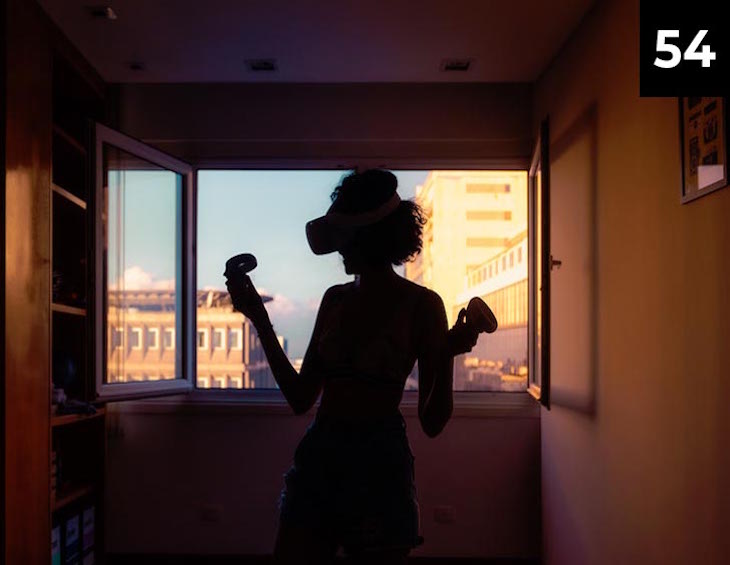
Even before we were stripped of many fundamental aspects of our regular lives due to the pandemic, virtual reality (VR) was rapidly evolving – the launch of Google Cardboard, Facebook’s Oculus Rift, and Samsung’s VR headsets triggered VR technologies’ inevitable move to expand beyond serving the gaming and entertainment industries.
Since then, VR has created a bespoke, immersive interior design experience for the hotel industry’s players and designers. After 2020, the value and relevance of VR to a variety of professional settings has solidified even more. Many more interior designers are also realising the power of visualisation and its functions for remote collaboration on projects.
Over the last few years, we have witnessed the technology being incorporated into the guest experience at hotels. Plus, with travel greatly diminished, the ability to simulate an environment using a headset, will become a big part of travel and tourism in the future too. However, less is known and discussed about how VR can benefit hotel designers. How does it work? Will it increase profit margins? How can we leverage it? Let’s dive in.
Hotel owners should invest now to save later
Virtual reality is a computer technology that combines hardware and software to generate realistic images, sounds and sensations in order to immerse a user in a simulated three-dimensional environment. Using a headset that projects an image through goggles, users are able to see the projected image from a full 360-degrees.
Integrate this technology into the interior design industry and it’s possible to create beautifully designed spaces that are affordable. Hotel owners and designers can instantly see the visual and financial implications for changes to their plans, saving hours of time and money.
Picture this; a boutique hotel owner wants to make design changes, has tight deadlines but can be indecisive. These upgrades will decide how their hotel will look for the next 10-20 years. With the help of VR and 3D rendering, top designers, regardless of location, can develop a clear idea of what they need to create this specific ‘contemporary chic’ interior. The hotel owner chooses from various photos of interior design spaces to decide on their preferred styles and favourite brands, as well as having direct input in the design process to move walls, change fabrics, and upgrade the carpets. Plus, the price bracket is dependent on the amount of design concepts required and the experience of the designers.
This all prevents costly mistakes as the spaces can be viewed before they exist, which also allows hoteliers to build trust with the partners they are working with. They can make this investment early on to avoid misunderstandings and save more money later… and it’s all accessible through a mobile phone or goggles.
A new Dimension for the client-designer relationship
Building trusting relationships is one of the major success factors in the work between designers and their clients. With transparent insight, they can overcome imagination limits and boost a client’s experience.
Designers aspire to sell their vision and show their clients the high-end products that are trending. However, hotel owners may struggle to visualise proposed designs with basic 2D renderings of their 3D projects, and therefore may not get on board with the idea. With VR, designers are able to share their thoughts clearly so the clients feel informed and comfortable, without ever needing to go on site.
Everyone who has refurbished or designed a hotel from scratch has reached that point where they could no longer imagine how all the textiles, pieces of furniture, or material would fit together. With VR, clients are guaranteed to be captivated; they can almost feel the materials, see how the light falls, check how the room works and figure out if a desk really fits in a particular corner.
Additionally, if designers create avant-garde hotel designs and pitch to their clientele using VR, the individual hotel owners can use the 3D renderings as marketing collateral. This could increase room sales and boost hotel revenue through enticing guests – they’ll know what to expect as the rendering of the rooms and communal areas would be identical to their potential holiday lodgings.
Of course, it is worth remembering that this is a contentious subject with interior design studios in 2021 spending more than ever during pitch phases – a line will need to be drawn at some point to establish how much tech should go into the client pitch in order to not only make it a fair but also to keep the window open for the designer to introduce new ideas/fabrics/furniture once the pitch has been won. There are arguments out there to suggest that VR and too much tech will eliminate this luxury.
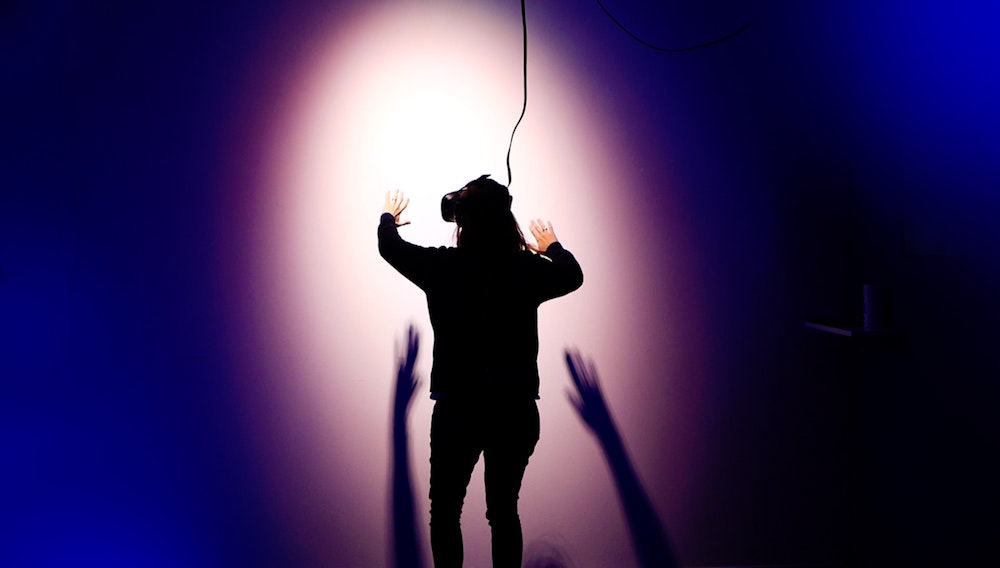
Image credit: Unsplash/Stella Jacob
In regards to the consumer-facing experience, the “try before you buy” VR experience for potential hotel guests is already a tried-and-tested model. Hotels such as The Marriott IndyPlace provide virtual tours which allow guests to explore the rooms so they know what they are buying into and this has dramatically boosted conversion rates. The same could work for designers and their clients.
VR offers a memorable and immersive experience where designers can brainstorm with hotel owners in a 3D environment – they can see their furniture and items to scale, spot mistakes before they happen, zoom, rotate and save time regarding quotes for contractors and suppliers. Not to mention the sustainability factor; VR minimises waste and surplus material.
How can interior designers embrace VR further in 2021?
Let’s take one of the latest trends in the hospitality business: Home furnishing brands moving into the hotel business as design sources, partners or property owners. In other words, using a specific brand to set a design aesthetic in hotels. Many interior designers have already crossed into the hospitality industry like Kelly Wearstler with San Francisco Proper, or Roman and Williams with Guild Freehand Hotel.
The theory behind the trend is that customers will stay in the properties, have a unique hospitality experience, love the furnishings and want to mimic the look in their own homes. A handful of these hotels even supply a catalogue in the rooms to allow for fast and easy product discovery which some believe “connotes a sense of quality and luxury”. Normally, if we go to a hotel and like the decoration, furniture and accessories, we never dare ask where they are from, and we never find out.
If these selected hotels had a VR section on their website for virtual tours, there could be an added feature allowing customers to click on any item they loved in their room; the shabby-chic chairs, fringed lamp shades, and those ridiculously comfortable king size beds, and find out exactly where they are from.
The hotels would seem like a real-life catalogue and spaces to shop. Hotel design would immediately become more accessible for different types of interior designers too – they could pull items out of a hotel room and place that mid-century sofa, Pop Art painting, or geometric fabric into a design they are working on for a client on a VR application. It’s a powerful marketing tool for the hospitality designers, and ideal for residential designers too.
High-end tech is not only changing the face of international hotel services for guests through virtual hotel tours, enhancing the relationship between hotel and visitor. It is also allowing designers to set themselves apart from their competitors and stay ahead of the curve. These innovations couldn’t be more topical as VR is on track to become an $80 billion industry by 2025.
Main image credit: Unsplash/Vinicius Amnxamano