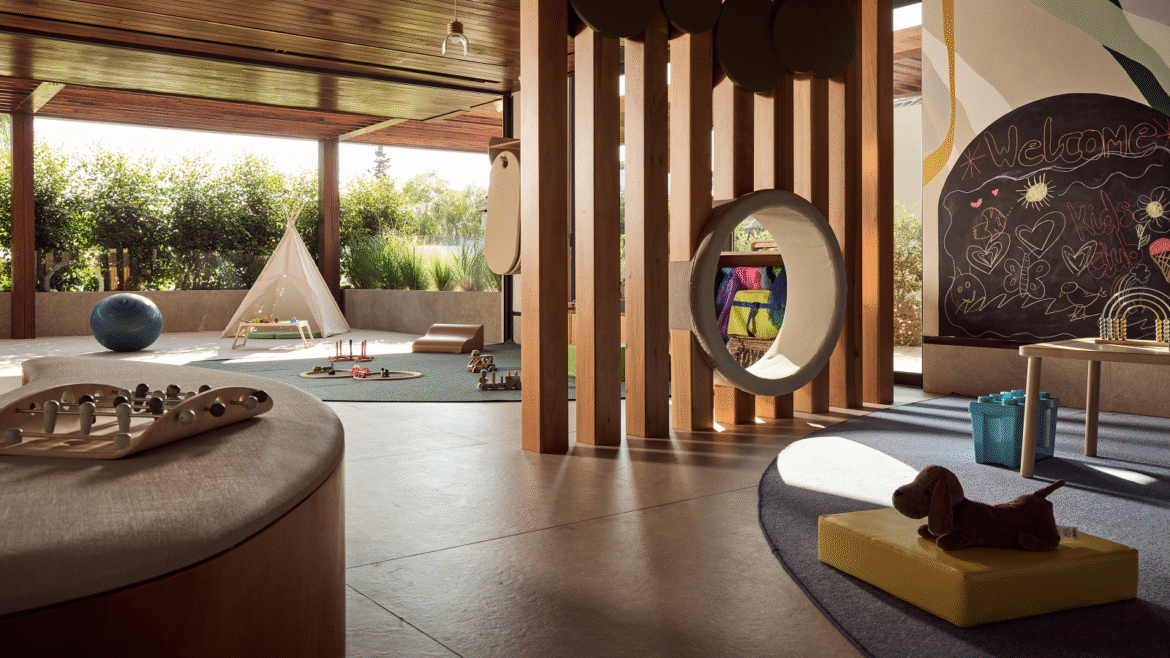
Child’s play – designing for kids in the luxury hotel arena
https://hoteldesigns.net/wp-content/uploads/2025/11/Untitled-11-1024x640.png 1024 640 Guest Author Guest Author https://secure.gravatar.com/avatar/70f59a2fd6e63f164e7a47b6987bbd542ebea82bbbc723da612b0c92bbae768e?s=96&d=mm&r=gOnce relegated to simple playrooms and minimal amenities, children’s facilities in high-end hotels are now emerging as narrative-rich, design-led environments that reflect the same level of sophistication, cultural depth, and service excellence offered to adults. Megan Wilson, Head of Design at Worldwide Kids discusses some key points in optimising the children’s hotel experience.
For a luxury hotel to succeed in the family market, it must recognise that family expectations have evolved. Today’s guests want environments that are not only beautiful and immersive, but also inclusive and genuinely fun. Adults expect the same design sophistication, comfort, safety and level of service for their children as they do for themselves. The children’s offering can no longer be a ‘nice to have’, it’s a strategic differentiator that defines how a brand values its guests across generations.

Image caption: Megan Wilson, Head of Design, Worldwide Kids | Image credit: Worldwide Kids
Historically, children’s facilities in luxury hotels were treated as an afterthought: a corner playroom, a few toys and perhaps a babysitter service on call. They existed to occupy children rather than engage them. In recent years, however, there has been a transformative shift. Luxury hotels now recognise the children’s experience as part of their brand story and overall guest journey.
Children’s facilities have evolved from transactional spaces to narrative environments. Places that tell a story rooted in the hotel’s culture, ethos, architecture, and sense of place. The key is creating a holistic narrative that children can understand, relate to, and actively engage in. When children’s experiences are woven into the overall guest journey, they become an authentic extension of the brand rather than a separate offering. Children feel valued, safe, and stimulated, while parents can fully immerse themselves in the adult side of luxury, confident their children are in exceptional hands.
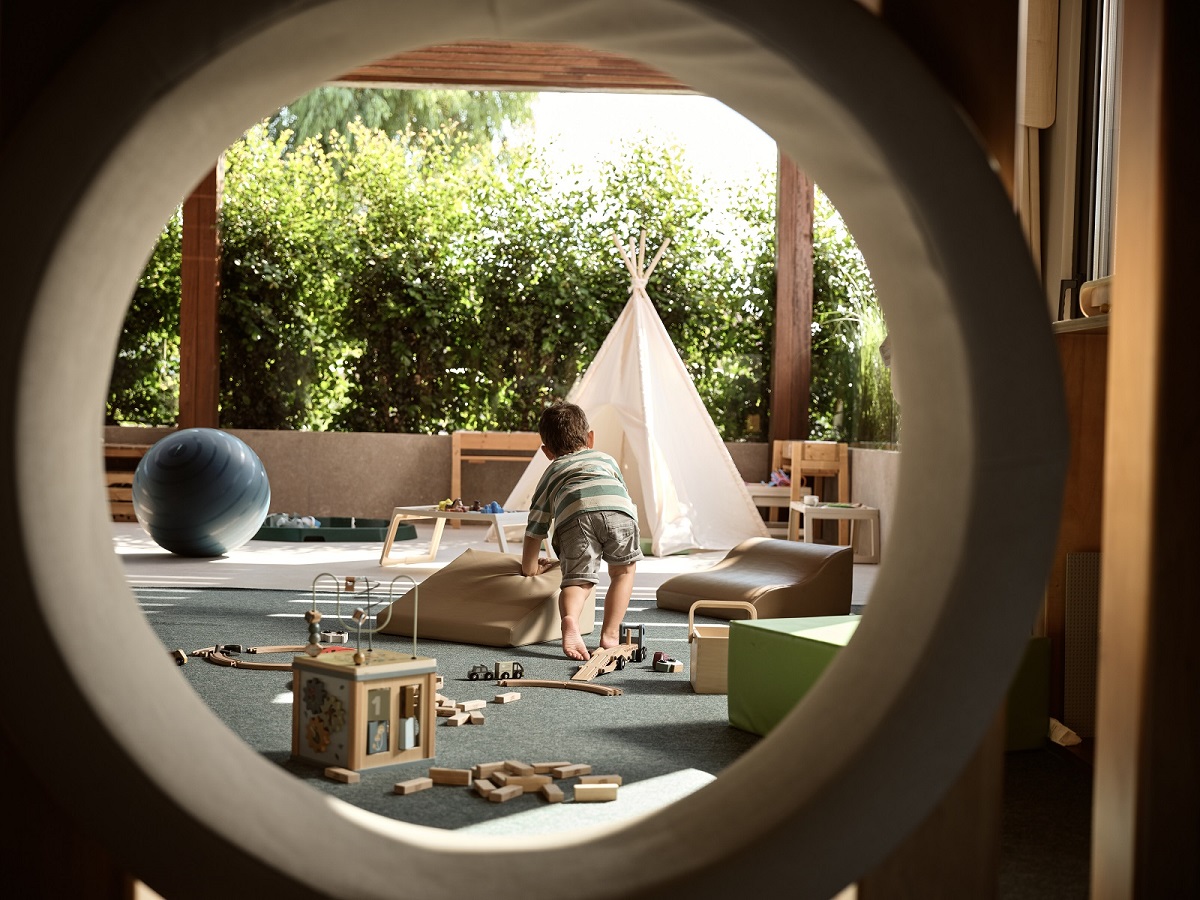
Image caption: Fiori Kids Club at Contessina Hotel | Image credit: Worldwide Kids
At One&Only, the ‘KidsOnly’ concept embodies the brand’s vision of providing children with a sense of place and purpose within each property, allowing them to explore the local culture and narrative. The design draws on the island’s maritime heritage, particularly shipwrecks scattered along Kea’s coastline. Real stories of the sea are translated into textures, forms, and immersive play experiences, creating an environment that feels adventurous yet refined.
With the right design approach, children become fully engaged, and the environment itself transforms into a springboard for activity and discovery. Thoughtful planning ensures that the property’s concept, aesthetic, and ethos shape every aspect of the children’s experience, from play and learning to exploration and social interaction. Spaces are not only visually appealing but also intentionally stimulating, encouraging curiosity, creativity, and connection. Well-designed areas give staff the flexibility to deliver a rich, evolving programme of experiences that adapts to different age groups, interests, and seasonal needs, making the children’s zone a living part of the hotel where design, programming, and imagination work together.
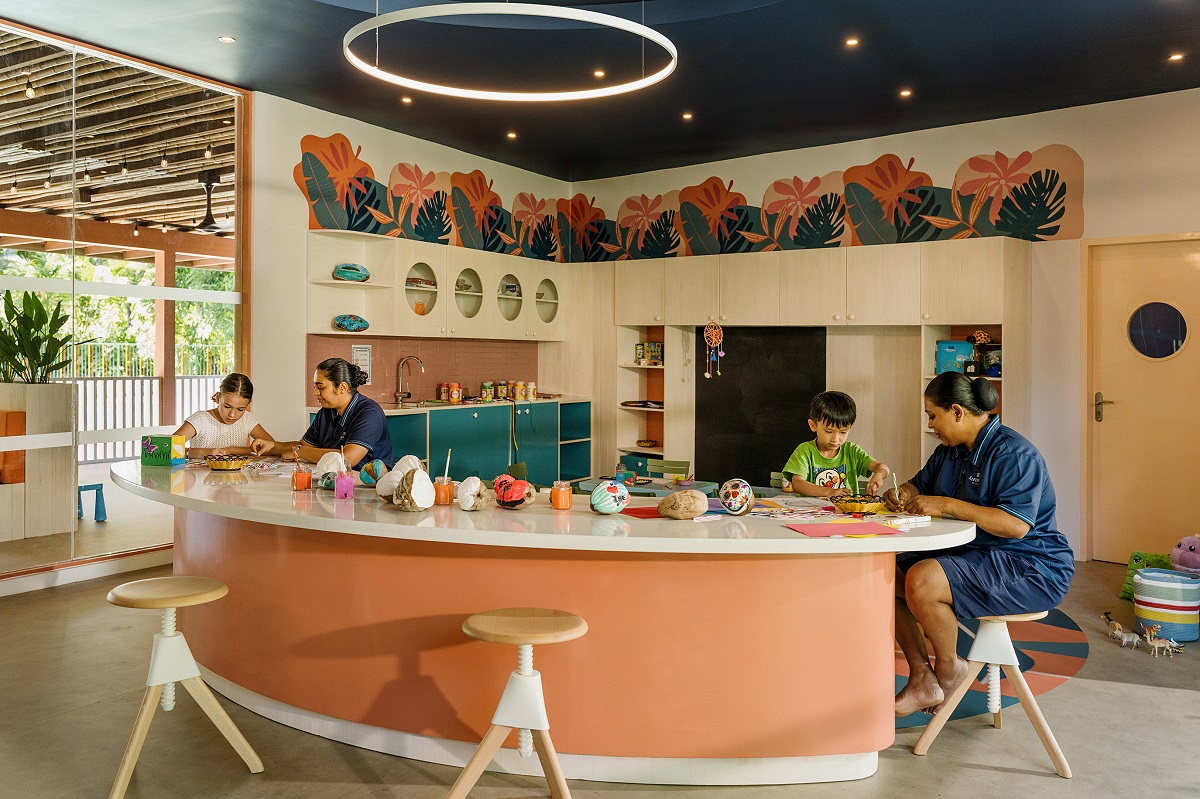
Image caption: Kurumba Kids at Kuruma Maldives | Image credit: Worldwide Kids
Kurumba Kids is rooted in themes of sustainability, island wildlife, and local heritage, inviting children to explore, play, and learn through thoughtfully designed zones. These include crafting stations in the Creative Corner, imaginative building in the Construction Zone, collaborative cooking in the Terrace Kitchen, quiet reading in the Quiet Zone, and group fun in the Interactive Sandbox. Every detail, from biophilic touches to flexible, playful furnishings, encourages hands-on discovery, social interaction, and joyful learning, making Kurumba Kids a space where adventure, creativity, and care for the planet come alive.
Child-focused décor has evolved to resonate with both children and parents, balancing aesthetic appeal with safety, durability, and sensory richness. Materials are increasingly chosen for their tactile quality, natural origins, and sustainability, creating spaces that are inviting and reassuring. Modern children’s facilities integrate educational, cultural, and nature-based elements, reflecting a broader hospitality movement toward purpose, experience, and wellbeing. Interiors often draw on local crafts, art, and heritage, fostering a strong sense of place. Biophilic design, incorporating plants, natural light, and outdoor views, strengthens children’s connection to nature and supports emotional wellbeing.
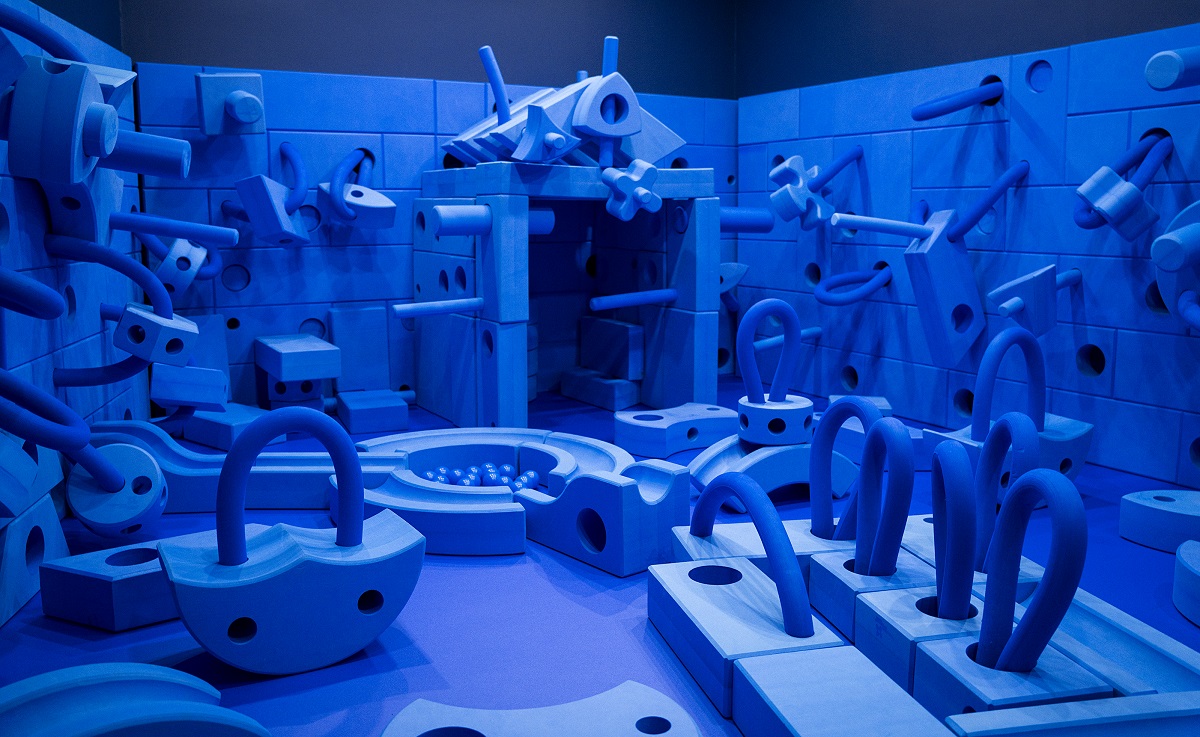
Image caption: Kurumba Kids at Kuruma Maldives | Image credit: Worldwide Kids
Modular, flexible furnishings encourage movement, collaboration, and imaginative play, while quiet zones support reading, reflection, and creative projects. Children’s design should be enriching, offering opportunities for creativity, nature engagement, cultural connection, digital-free play, multi-sensory exploration, and family-inclusive experiences. Ultimately, it’s not just about fun, it’s about meaningful fun that nurtures curiosity, self-expression, and belonging, creating spaces where children and adults alike feel inspired, safe, and at home.
Fiori Kids Club brings the island’s landscapes and heritage indoors through gold-toned floral graphics, soft blues echoing the Blue Caves, natural wood and stone textures, and subtle art-deco touches. Modular furnishings, flexible seating, and interactive zones, including a Creative Corner, Imagination Station, and Woodland Tunnel, encourage artistic expression, imaginative play, sensory exploration, and quiet reflection. Biophilic elements, natural light, and outdoor views foster a connection to the island’s environment, while activities inspired by local culture and ecosystems teach children about heritage and sustainability.
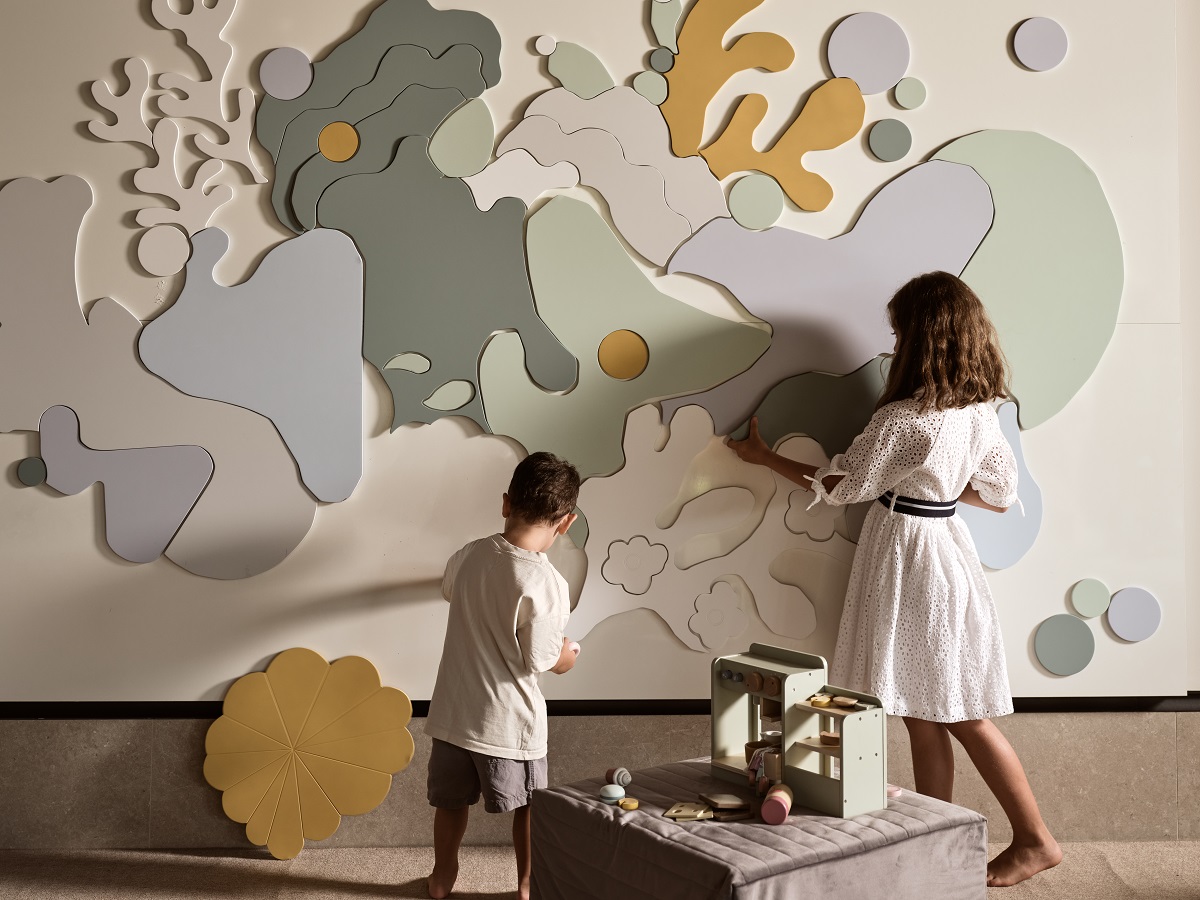
Image caption: Fiori Kids Club at Contessina Hotel | Image credit: Worldwide Kids
Considering the diversity of the end user, childcare facility design is inherently complex. There is no ‘one size fits all’. Successful design relies on close collaboration with childcare professionals who understand developmental stages, behavioural needs, and how children of different ages interact with their environment. Designers must carefully address the unique needs and preferences of babies, young children, and teens, ensuring that each age group enjoys stimulating, age-appropriate, and safe experiences.
Key considerations include:
• Age-appropriate fixtures and fittings: Furniture, equipment, and play structures must be designed to suit children’s size and abilities, providing comfort, usability, and engagement.
• Safety considerations: Spaces should account for capacity, safeguarding, circulation, and risk reduction, creating an environment where children can explore freely and securely.
• Luxury finishes: High-quality materials such as timber, natural stone, and premium upholstery bring durability and aesthetic quality to children’s areas without compromising child-friendliness.
• Clear zoning: Different age groups require distinct zones, with good visibility, safe circulation paths, quiet or rest areas, and flexible layouts that support multi-functional use while maintaining safety and comfort.
• Flexibility: Spaces should support multi-purpose programming, adapting to seasonal or functional needs, from drop-in play and structured activities to family events.
When childcare expertise informs design decisions, these spaces are not only visually aligned but also functionally responsive, offering enriching experiences that inspire curiosity, nurture creativity, and foster a sense of belonging. At the heart of luxury hospitality today is the understanding that children are not just guests, they are part of the brand story. When design, programming, and expertise come together seamlessly, the result is a holistic experience where every guest feels valued, safe, and at home.
In the evolving landscape of family luxury, the children’s experience is no longer an afterthought, it is a defining element of exceptional hospitality.
Main image credit: Worldwide Kids