









Art consultants Artiq, was recently invited to deliver an immersive workshop at one of Europe’s leading design events to challenge the way art is perceived in the making of the next generation of hotels…
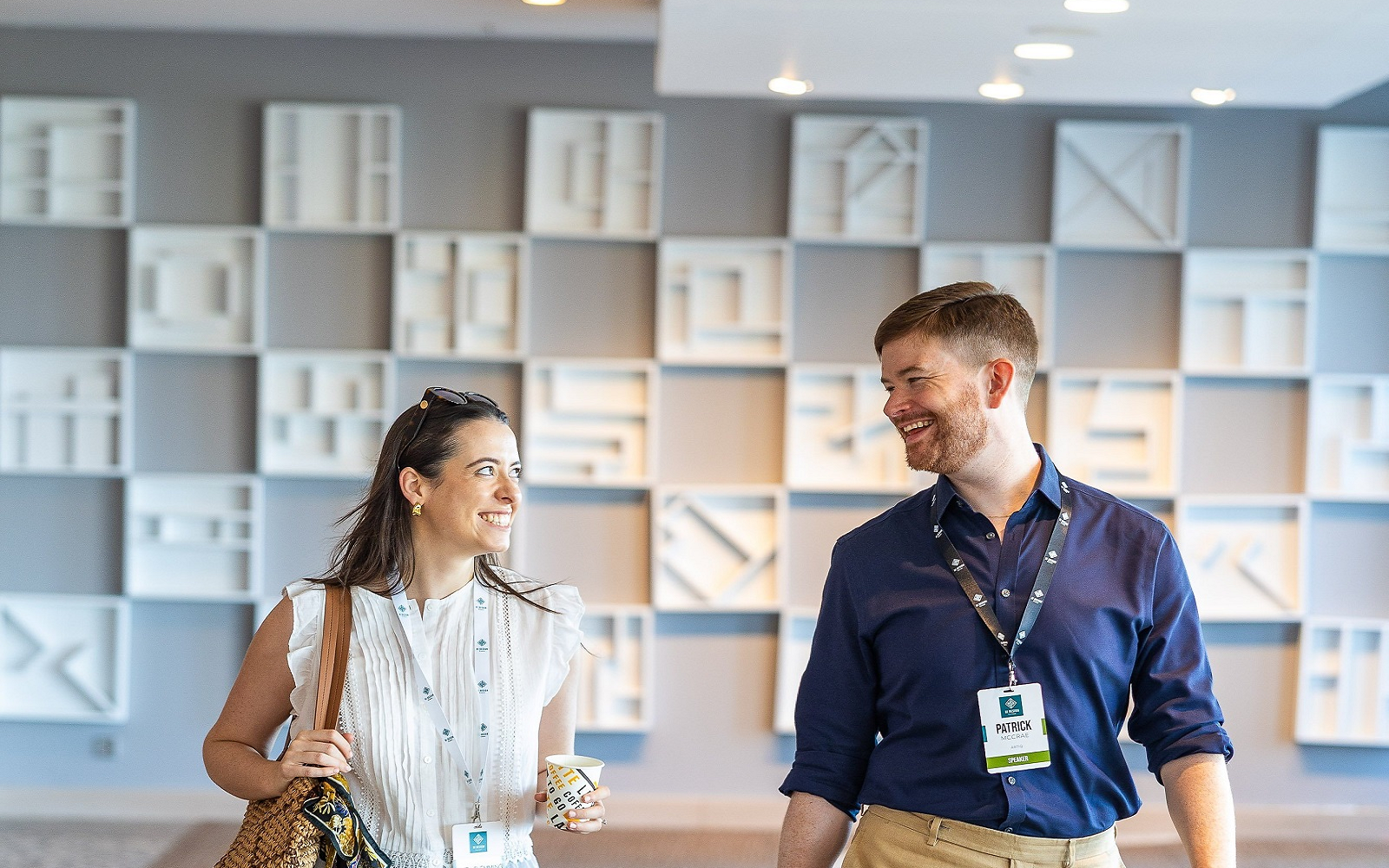
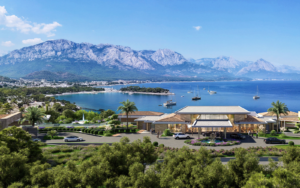
On Croatia’s glittering Adriatic coast, amid a gathering of the hospitality world’s foremost designers, architects, operators and developers, one session in Dubrovnik, led by the art consultants at Artiq, upended a familiar convention. What if art came first in hotel design?
For many hotel projects, while things are changing, art is still often one of the final layers to fall into place, selected once the architecture, interiors and furnishings have already shaped the story. Artiq, however, had something rather different in mind.
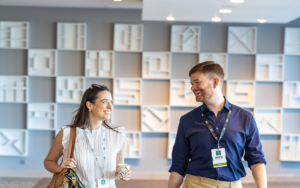
Invited to host a hands-on workshop, the international art consultancy placed this discipline at the very beginning of the design conversation. Patrick McCrae, Artiq’s CEO, and Art’s Director Beth Fleming opened with a sharp Q&A on stage, before designers, architects and hotel operators from across Europe split into teams.
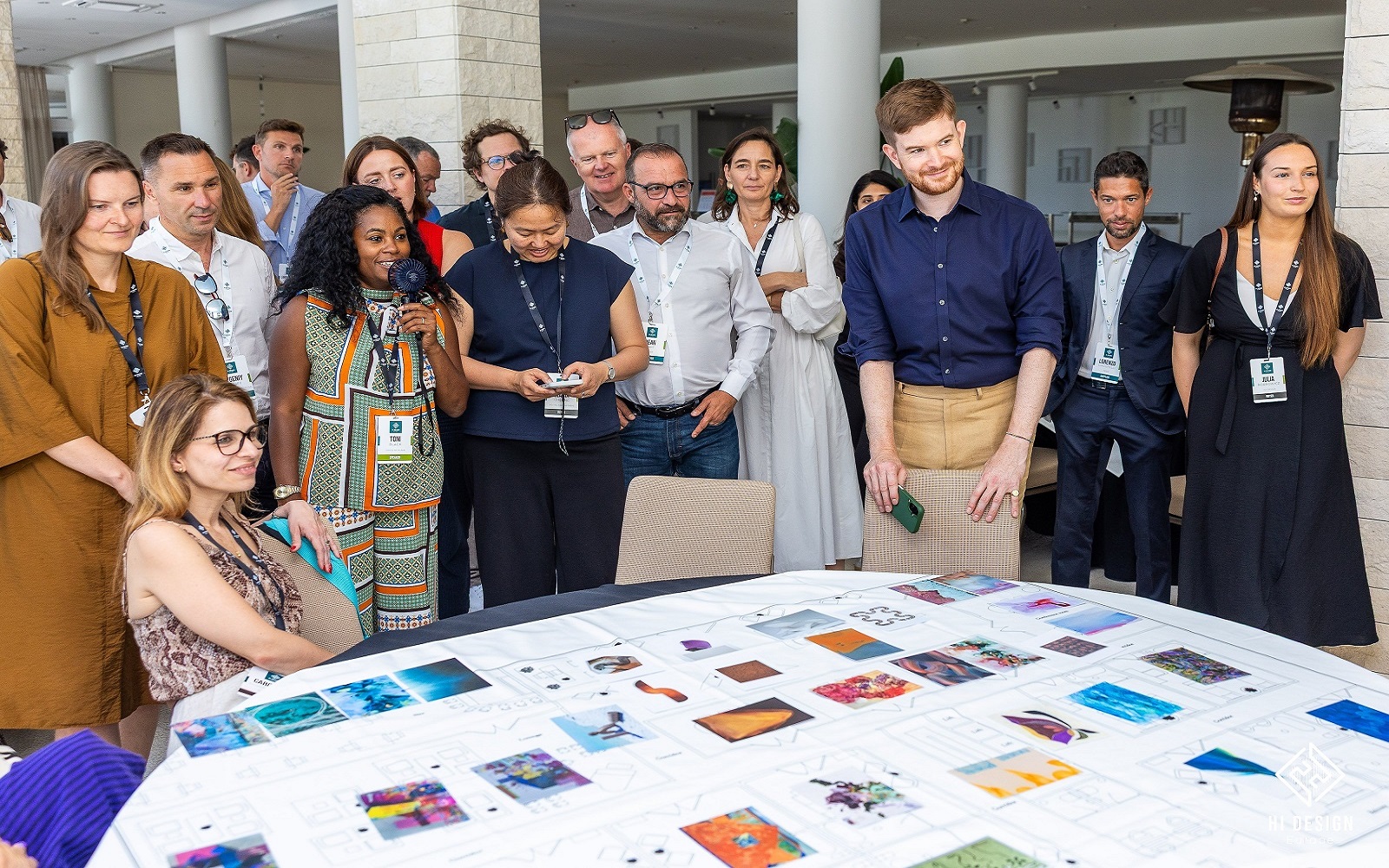
Image credit: Artiq
Each group was handed a floor plan and a loose hospitality brief for a range of different properties – an urban lifestyle hotel, a restorative coastal retreat – with one simple instruction: curate an art collection that would define the property’s identity from day one.
The challenge rested on six months of meticulous, multi-disciplinary research. Ahead of the event, Artiq’s curatorial team, led by Fleming, immersed itself in Croatia’s artistic landscape, exploring studios, meeting artists and uncovering emerging talent from across the country. They assembled a carefully considered collection that reflected the richness and individuality of Croatia’s contemporary and somewhat unconventional creative scene.
“The research reminded us that every destination has a creative ecosystem that’s far richer than the handful of artists who have already achieved international recognition,” said Fleming. “What emerged from this extensive research was an extraordinary diversity of voices. As curators, that’s the most exciting place to begin because our role isn’t to impose a narrative, it’s to uncover one. The workshop gave delegates a glimpse into that process and showed the depths we will go to when researching a new destination. I also really wanted to highlight how the art becomes part of a hotel’s identity.”
Every team received a pack of printed artcards, featuring high quality images of Artiq’s selected works, along with key information about each piece including its scale, medium, and artist. Working with these pieces, delegates were asked to build a collection that responded to their brief, their imagined guests and the layout of the space itself. These decisions required justification, with every artwork earning its place through careful visual, spatial, and conceptual consideration.
It proved a revealing exercise. Conversations quickly moved beyond aesthetics towards atmosphere, narrative and emotion. Would an intimate ceramic work create a stronger sense of arrival than a monumental painting? Could a series of photographs establish a hotel’s personality before guests had even reached reception? The most compelling proposals invariably began with a clear understanding of the story the hotel wanted to tell. A Moroccan resort, for example, whose interiors – and artwork – got lighter the further up the building you went.
The workshop mirrored the way Artiq approaches its work. Any new project, or new relationship, begins with place – researching local artists, understanding cultural context, considering how a collection might become an authentic expression of its surroundings rather than a decorative afterthought. For international hotel groups seeking distinctive destinations, that depth of research is what separates a property from an interchangeable interior – shaping the impact of a space without any compromise on the art.
“What made this collaboration so rewarding, was the audience,” added Patrick McCrae who hosted the session with Fleming. “We were speaking to the people shaping the future of hospitality design – individuals whose decisions influence how millions of guests experience a place. Giving them the opportunity to approach a project through the lens of art alone, before materials, finishes or furniture, sparked conversations that rarely happen in a conference setting. I loved how it encouraged a different way of thinking. If even a handful of those conversations find their way into future hotel projects, then the impact extends far beyond a single afternoon.”
Perhaps the most significant part of the project had begun long before delegates arrived in Croatia. For Artiq’s curatorial team, the value ran both ways. Exploration is what drives them – each new destination is a chance to dig into a the meaning of place and Dubrovnik, without the added pressure of a live client, was no exception. Researching the workshop briefs meant time with local galleries and makers, conversations about Croatian craft traditions, and a closer read on how the country’s coastal light and stone architecture shape the way art is seen and made there. That groundwork fed directly into the session itself, giving teams a genuine sense of place to work from rather than a generic brief. For Fleming and McCrae, while they stood back to allow the teams to work, it was fieldwork as much as facilitation.
Beyond the research project and workshop, the experience formed part of the consultancy’s ongoing commitment to building relationships that may develop into future projects and international commissions. Fundamentally, every artist Artiq works with is paid fairly for their work – a principle embedded across the business rather than reserved for individual projects. The Croatian programme simply extended that ethos, creating meaningful opportunities for artists to be introduced to some of the hospitality industry’s leading designers and operators while expanding Artiq’s global network of creative talent.
Artiq is one of our Recommended Suppliers and regularly features in our Supplier News section of the website. If you are interested in becoming one of our Recommended Suppliers, please email Katy Phillips.
Main image credit: Artiq