











Salone del Mobile 2026 roundup
Salone del Mobile 2026 was another highlight in the design calendar this year. Reporting on behalf of Hotel Designs, Andrew Wakem flew out to Milan to track down the best exhibits and mingle with the design masses…
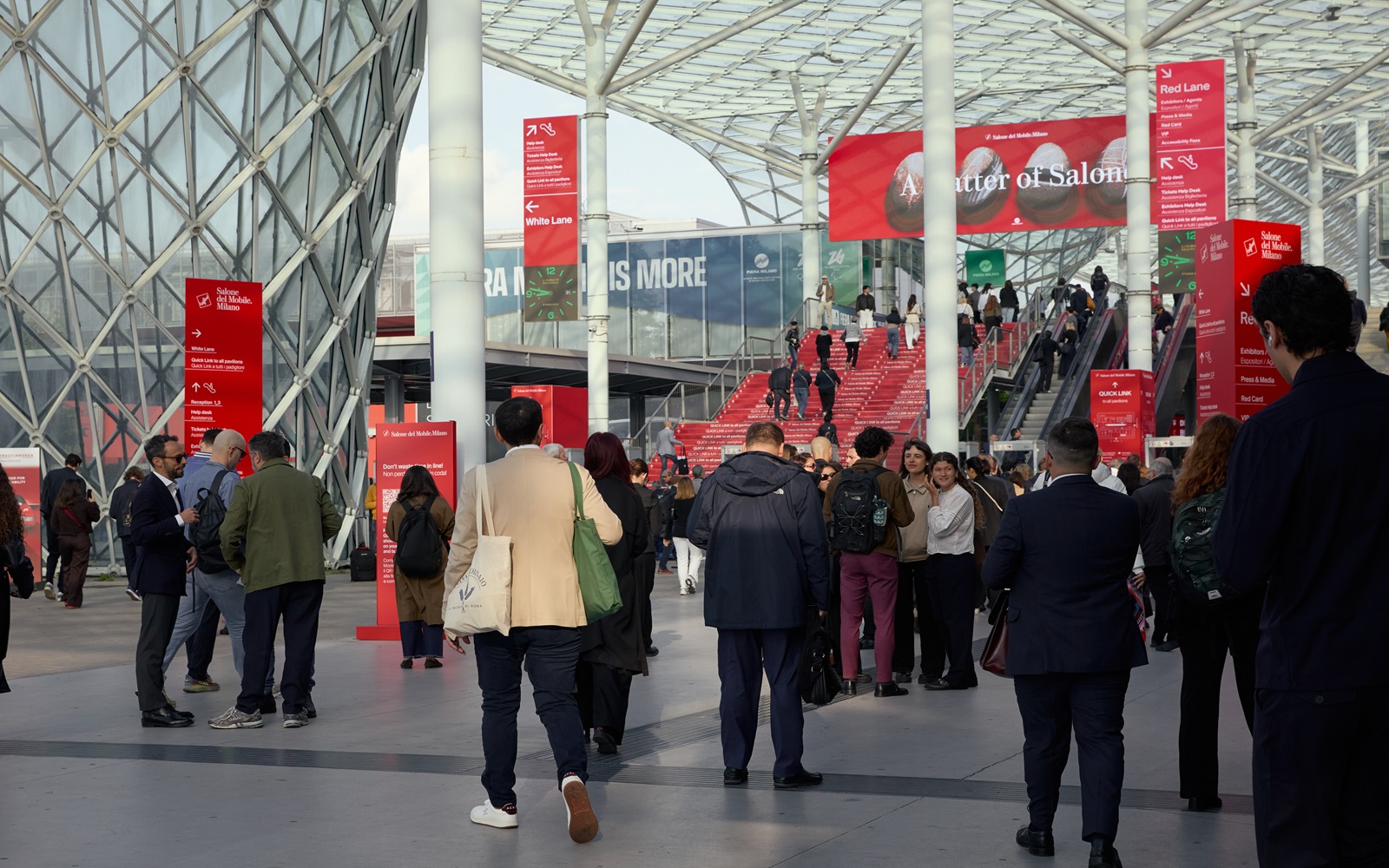
At this year’s Salone del Mobile, luxury hospitality took centre stage, unfolding as a citywide narrative dispersed across Milan. During Design Week, the city’s confidence for pushing boundaries felt amplified, with installations and launches claiming courtyards, storefronts and palazzi. Nearly every street offered a new way to frame a collection, turning the journey from one installation to the next into a kind of drift where you set out with intent only to be pulled off course again and again… by something better.
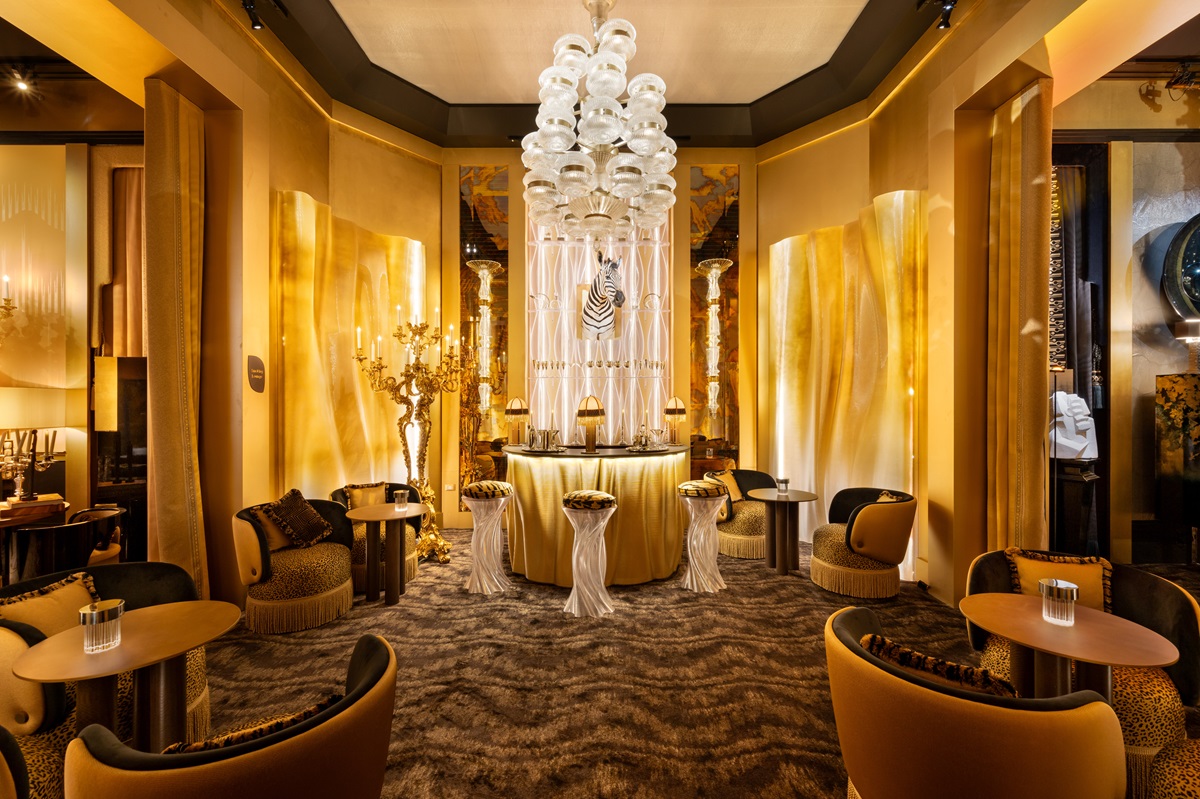
Image credit: Salone del Mobile
Nilufar’s Grand Hotel, proof, if any is needed, that Milan is at its most compelling when it refuses to behave predictably. Discreetly tucked behind a traditional courtyard, the entrance gives way to a stark concrete volume which doesn’t offer an indication of what’s inside. Here, Nina Yashar staged an immersive curatorial exhibition across three floors, imagining a fictional hotel where dining rooms, public spaces and guest suites are composed entirely of collectible design. Nina’s world felt less like a showroom and more like a lived-in set.
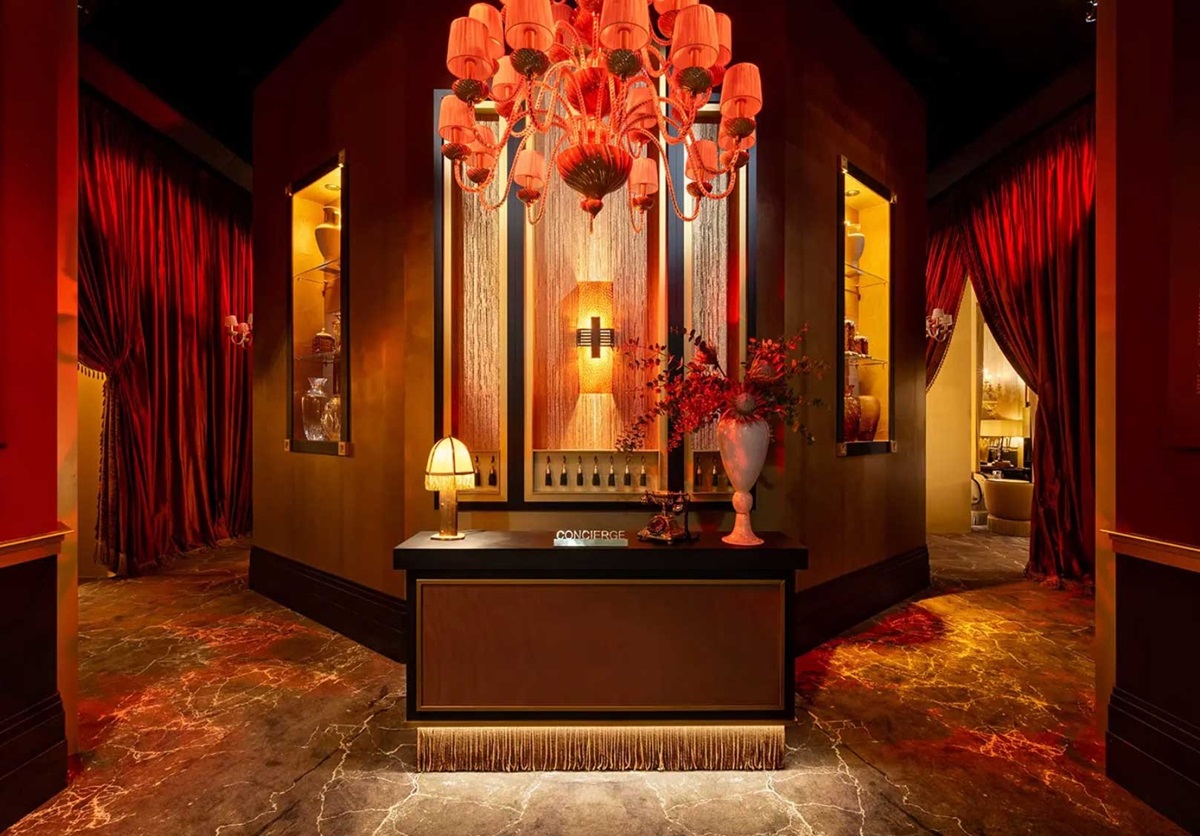
Image credit: Andrew Wakem
A standout installation in Milan unfolded at the Mulino Estate, where visitors could check in to the MuaMua Hotel, designed by Design Research Studio (DRS) – Tom Dixon’s interior design agency, where the team transformed one of the estate’s buildings into a hotel-like experience. The project sits at the intersection of heritage craft and contemporary design, introducing a DRS-designed bed. DRS treated each room as an immersive tableau, with the bed positioned as the defining architectural anchor. Elsewhere on the Mulino Estate, inside a Gio Ponti-designed grain silo, London’s Monument gallery and French curator Harold Mollet presented the Magazzino Archive, bringing together rare functional artworks (1970s–90s) by Tom Dixon, Pucci de Rossi and Mark Brazier-Jones, and foregrounding the tension between balance and experimental decoration.
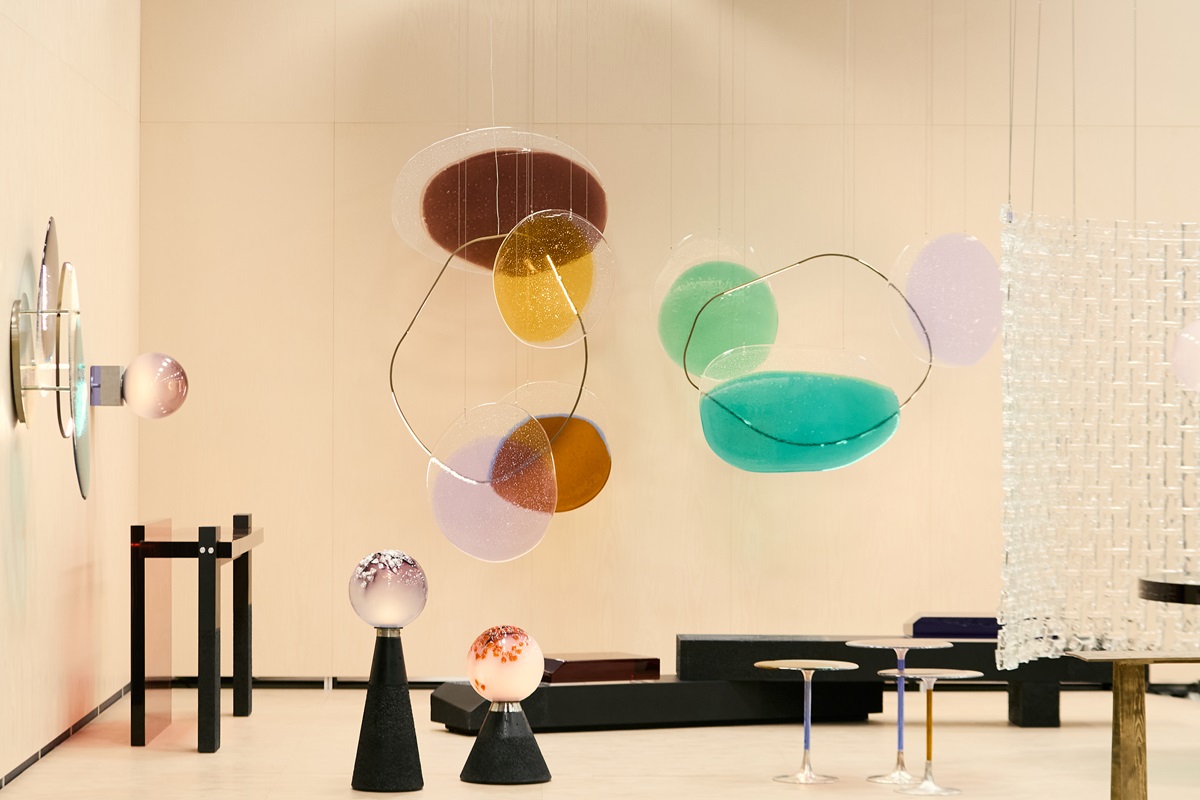
Image credit: Salone del Mobile
Tara Bernerd’s installation at the Four Seasons Hotel was an elegant setting for her collaboration with Medea. The British studio transformed a hotel conference room into a suite with dining and living areas flowing towards a bedroom beyond. Bespoke red ‘winged’ partitions carved the space into scenes, set against a softer, fabric lined envelope. The scheme extended onto a sunken terrace, with exterior furniture as part of the collaborative collection.
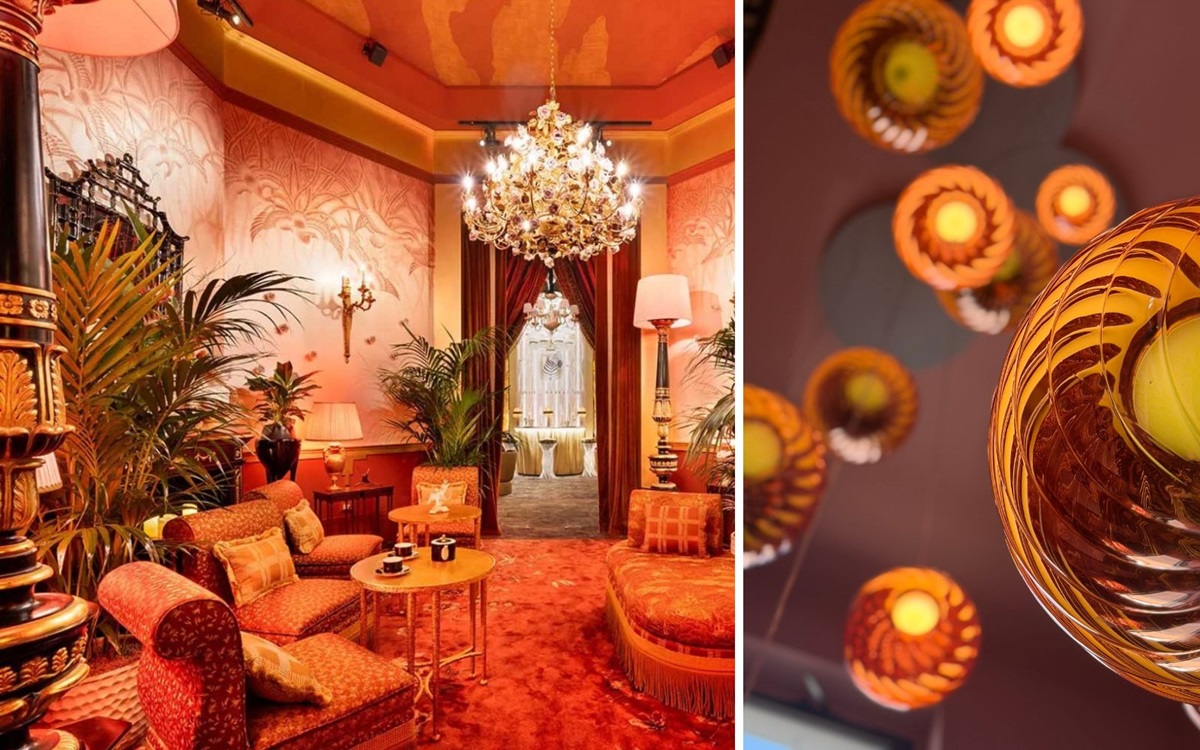
Image credit: Andrew Wakem
Within the historic gardens of Villa Necchi Campiglio, Gaggenau unveiled ‘Presence’ a restrained architectural intervention designed to sharpen guests’ perception. Visitors are led through a sequence of long, low-lit corridors, underfoot, gravel subtly recalibrates your senses and draws attention to each step offered time for anticipation. The route released into a main gallery-like volume, strikingly illuminated in contrast. Mirrors turn the pieces into artworks, and a light-box ceiling heightens the feeling of a temporary museum. Conceived with Munich-based architecture studio 1ZU33, the installation offered a rare pause from the intensity of Design Week.
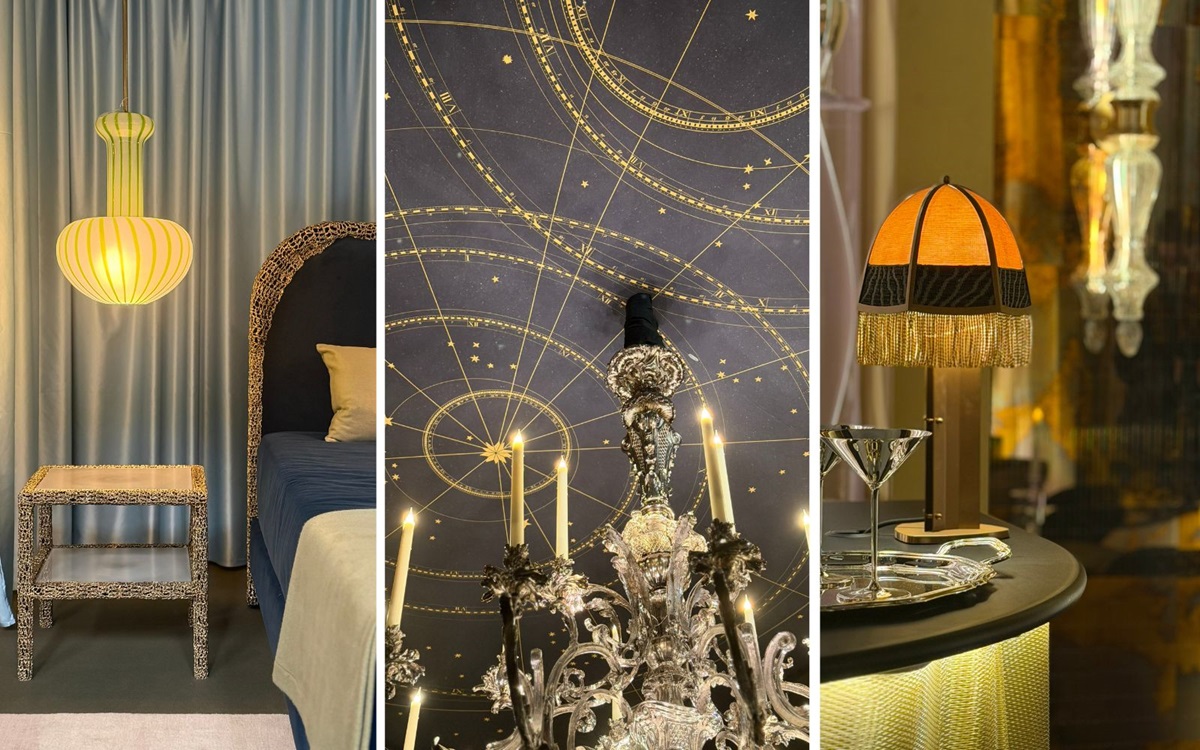
Image credit: Andrew Wakem
For anyone who’s braved Salone del Mobile at Fiera Milano Rho, you’ll know how exhausting and relentless it can be. Unlike the city where you can duck into a palazzo or find a boutique bar to rest your tote bags, the fair has a cruel ownership of time, moving from hall to hall you can lose track of the hours and, with it, any connection to the outside world. And yet, the long avenues of exhibitors generate an undeniable buzz with thousands of products, and designers proudly presenting their latest collections. In such an environment where even the most established brands compete for attention, discovery is overwhelming with where stands blur into one another, unlike the city where a converted storefront pulls you in on curiosity alone. Though, a select few stood apart, distinguished by a strong, architecture-led narrative using limited space not only to make a statement, but to present their projects in such a way that speaks to both designers and enthusiasts.
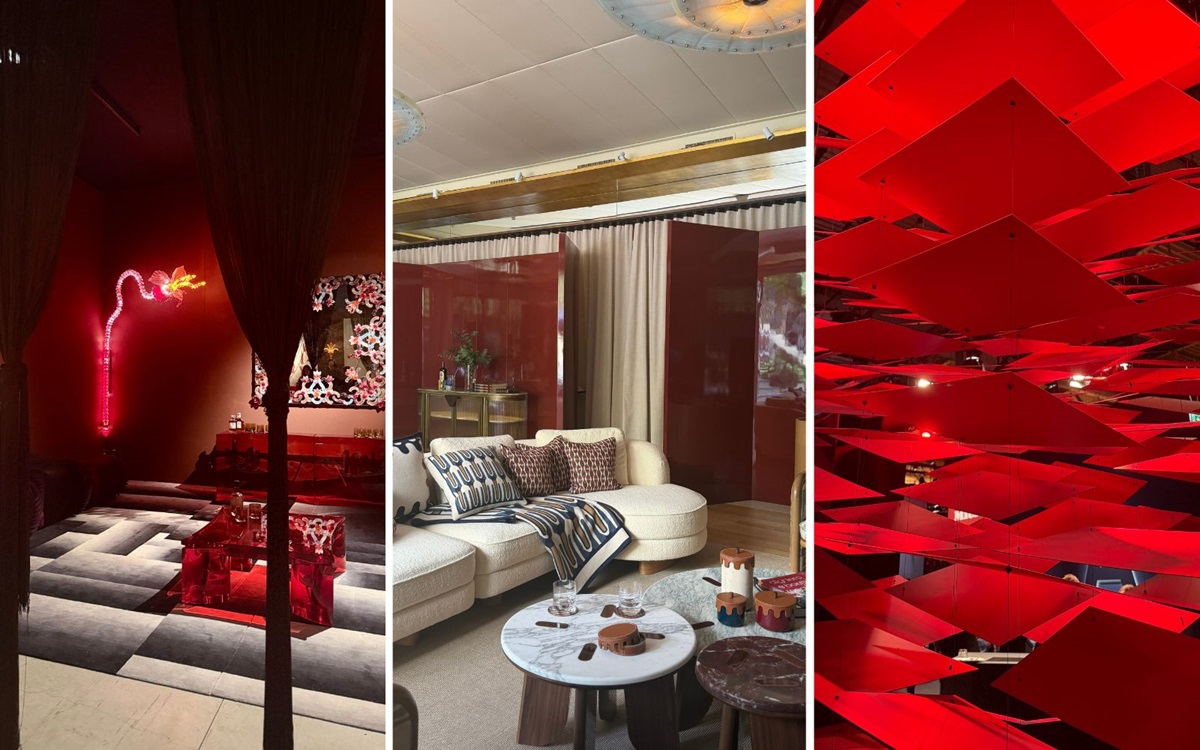
Image credit: Andrew Wakem
As part of the official Salone del Mobile tour, Oscar Lucien Ono – founder of Maison Numéro 20, led an intimate walkthrough of his installation ‘Aurea: An Architectural Fiction’. Conceived as a dreamlike hotel brought vividly to life, the immersive story-driven project debuted at the 2026 Salone, proposing a vision of hospitality that steps beyond function and becomes a sensorial and theatrical experience. Each room unfolded like a vignette, hinting at the guests inside it, from a woman dressing to meet her lover to a sensory dining room where scent suggests where in the world this imagined hotel might be.
Salone del Mobile Milano 2026 in numbers
The 2026 edition of the Salone del Mobile notched up 316,342 visitors from 167 different countries. Over the course of six days, Salone hosted 1,900 brands from 32 countries with worldwide visitors largely from China, Germany, Spain, America, and the UK. Over 6,039 press and media attendances, (2,828 from abroad), accounts for the broadening of the event’s international reach. There was also a marked presence of the younger generation: 8,057 Italian students, 6,361 foreign students and 700 designers under 35 from 39 countries at SaloneSatellite confirming the event’s role as a bridge between education, research and industry.
Salone del Mobile Milano 2027 will take place from 13th – 18th April 2027.