











A GUIDE TO HOTEL DESIGN PT 96
Jeremy Grove, CEO & Design Director at Sibley Grove dives into the details of how we are – or should be – tackling embodied carbon, and why it is one of the most important challenges on the hotel design agenda.
Whilst ‘embodied carbon’ might not be the sexiest of topics, the fact I’ve enjoyed animated discussions about it at nearly every design industry event I’ve attended this year, shows that the challenge of how to measure and tackle embodied carbon in supply chains is being taken seriously. Embodied carbon is the carbon dioxide (CO₂) emissions associated with materials and construction processes throughout the whole lifecycle of a building or product. For hoteliers, project managers and designers alike, understanding this concept is vital to reducing environmental impact, cutting costs and creating spaces with longevity. In hotel interiors, where enormous amounts of materials are consumed for relatively short-term aesthetics, this carbon footprint can be staggering.
The Average Hotel Room = 385 Flights to New York
Whilst there is no universally agreed figure for an average UK hotel room over a 20-year period, a study by AECOM and the UKGBC suggests a new-build hotel might have somewhere between 800 and 1,200 kg CO₂e per m² of embodied carbon. For an average UK hotel room of 30–35 m², this equates to 24,000 to 42,000 kg CO₂e per room at build stage. If we consider that hotels are often refurbished every 7 to 10 years, with interior fitouts accounting for up to 300 to 500 kg CO₂e per m² per refurbishment, over 20 years a new built hotel, with two refurbishments could embody anywhere between 42,000 and 77,000 kg CO₂e per hotel room. To give some context, 77,000 kg CO₂e is the equivalent of 385 one-way flights from London to New York. That’s a significant amount of carbon which the industry must look to reduce, not only from an environmental impact point of view, but also because savvy customers are increasingly expecting the hospitality industry to toe the line when it comes to transparent sustainability policies.

Image credit: Annabel Staff / Drayton Court
Circular Design Inevitably Reduces Carbon
Hotel furnishings, fixtures and fittings are more regularly replaced than most other large buildings, so embodied carbon is a real issue here. Needless to say, interior design matters a lot when it comes to reducing these numbers. At Sibley Grove, we adopt a Design for Disassembly approach. This means designing interiors, furniture and fittings with circularity in mind: easy to take apart, reuse, repair or recycle. Circular design doesn’t just reduce emissions; it creates economic value. Materials can be re-sold, re-used or remanufactured, saving waste and reducing future capital expenditure. It’s one of those rare win-wins in life – considering a hotel build and fitout through the lens of embodied carbon will inevitably lead to cost savings in the long term.
Designing with Longevity in Mind Reduces Carbon + Cost
As with most things, there are a lot of lessons to be learned from the past, when buildings and furnishings were made to last decades, even centuries. We’re currently transforming a neo-gothic building into a luxury hotel and it’s fascinating to see how many of the beautifully appointed features have stood the test of time. We’re restoring and upgrading many of them with the intention that they will last another century without needing to be replaced. Design thinking that considers the longevity of spaces rather than rapid turnover is a simple and fundamental principle in reducing carbon. And often gives a far superior result – a timeless and beautifully crafted tap may cost more upfront, but it will look and feel far, far more elegant that a cheaper bathroom fixture designed to be ripped out at the next refurb.

Image credit: The Chamberlain Hotel
Keep Asking Suppliers for Environmental Product Declarations (EDPs)
As interior designers, finding ways to understand the embodied carbon in a supply chain has often proven tricky. We’ve partnered with manufacturers like Kaldewei, whose Environmental Product Declarations (EPDs) provide precise embodied carbon data. This transparency empowers us to make informed, low-impact material choices for a project from the outset. EDPs are something we are increasingly asking new suppliers for. Not every supplier we work with has the capacity or knowledge to implement this scheme, but I still ask because the more we use this as a metric for choosing materials, the more likely it is that suppliers will make that investment – and the more likely this is to become an industry norm. In terms of sustainability, I’ve witnessed that incremental steps are key in moving our industry towards a more sustainable and responsible position.
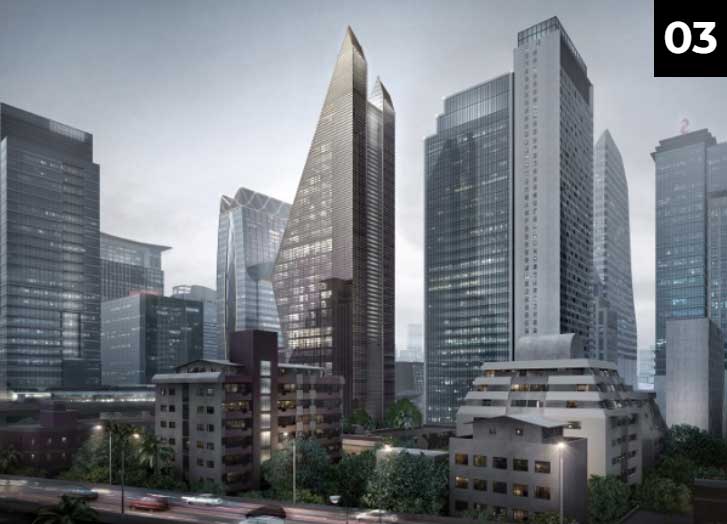
Main image credit: Annabel Staff / The Counting House